
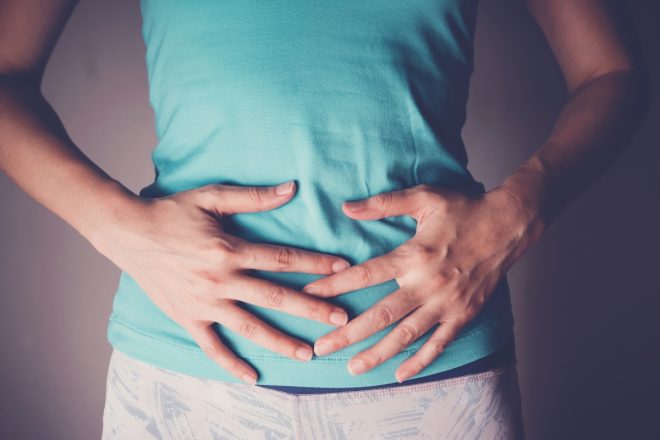
Do you think bacteria are bad? Think again. Bacteria and other microbes (including fungi and viruses) are often thought of as sources of disease, but in fact, many play a vital role in keeping you healthy. Your body contains trillions of microbes, most of which are beneficial. The densest microbial population is in your gut, where they play a critical role in digestion, immune function, and weight regulation. What you eat can rapidly change your microbes, but are you eating the right foods to help your good gut bacteria?
Proper Nutrition for Your Microbes
What you eat nourishes not only you, but also the trillions of bacteria living in your gut. Every person is different, but if you want to improve your digestion, lose weight, or take care of your overall health, there are some general principles that apply to everyone.
Some Tips for Gut Health
- Eat a wide variety of plant-based foods. A healthy gut has a diverse community of microbes, each preferring different foods.
- Eat more fiber. Most people eat less than they should. Fruits, vegetables, legumes, nuts, and whole grains feed healthy bacteria.
- Avoid processed foods as much as possible. They often contain ingredients that suppress “good” bacteria or increase “bad” bacteria.
- Probiotic foods like live yogurt can encourage more microbial growth. If you enjoy them, consume them regularly.
- Choose extra virgin olive oil over other oils whenever possible. It contains a very high number of microbe-friendly polyphenols.
- Antibiotics kill 'bad' bacteria as well as 'good' bacteria. If you need antibiotics, make sure you eat plenty of foods afterward that increase your microbes.
- If your diet is low in fiber, it can cause bloating. You can reduce this possibility by making gradual changes and drinking extra water.